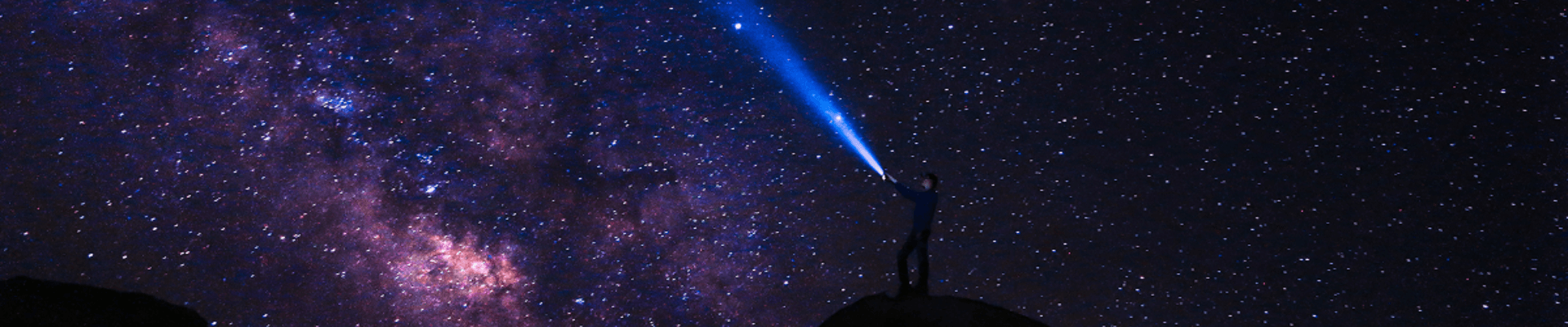

Earth, our home, is a stunning oblate and the 3rd planet from the Sun in our solar system. Often hailed as the “blue planet,” its name comes from vast oceans that cover approximately 71% of its surface. Earth is uniquely positioned in the “Goldilocks Zone,” where temperatures are moderate enough to support liquid water and a diverse range of life. It is the only celestial body in the universe that fosters life thanks to its life-sustaining atmosphere rich in oxygen and nitrogen.
The planet’s structure is complex, consisting of four primary layers:the crust, mantle, outer core, and inner core. Its dynamic nature is driven by plate tectonics and a protective magnetic field that shields us from harmful solar radiation. From the highest mountain peaks to the deepest ocean trenches, Earth offers an incredible variety of ecosystems—including lush rainforests, arid deserts, and icy polar regions.
However, this delicate balance is currently under threat. Human activities such as deforestation, industrial pollution, and the excessive use of natural resources have led to environmental degradation and global warming. These issues manifest as rising sea levels and unpredictable natural calamities. To ensure the survival of future generations, it is imperative that we adopt sustainable practices like the 3Rs (Reduce, Reuse, Recycle) and transition to renewable energy. Earth Day, celebrated every April 22nd, serves as a global reminder of our shared responsibility to protect and preserve this magnificent home.
Leave a Reply